

 See My Latest Article on HelloNation
What is the difference between central air and a ductless mini-split?
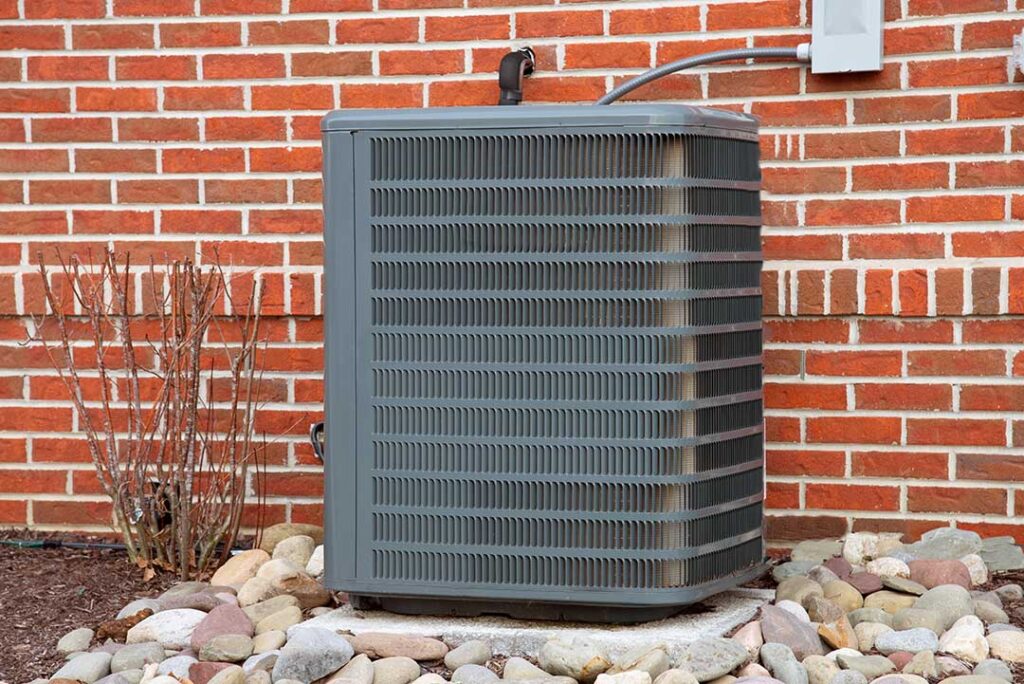
Central air conditioning uses a network of supply and return ducts to cool multiple rooms from one indoor air handler. A ductless mini-split uses an outdoor compressor connected to one or more indoor air-handling units, with each indoor unit serving a specific room or zone.
Both systems can provide effective summer cooling, but they solve different housing and comfort problems. Central air is often a natural fit for homes that already have usable ductwork. Ductless equipment can be more practical where ducts are absent, difficult to install, or responsible for uneven temperatures.
A ductless mini-split may also be a heat pump, allowing it to provide both cooling and heating. A central system may be cooling-only, or it may be paired with a furnace or central heat pump.
Which system is better for a home with existing ductwork?
Central air is usually the simpler option when a home already has properly sized, reasonably sealed ducts. The existing distribution system can deliver conditioned air throughout the house without adding wall-mounted indoor units.
This arrangement can offer several everyday advantages:
- Consistent whole-house cooling from one thermostat
- A less visible indoor installation
- Air filtration through the central return system
- Easier integration with existing forced-air heating
- Fewer indoor units to clean and maintain
However, existing ducts are not automatically an advantage. Older ductwork may have air leaks, inadequate insulation, poor balancing, or restricted airflow. Ducts located in unconditioned attics, crawl spaces, or attached garages can also lose energy before cooled air reaches the rooms.
A central system should be evaluated as a complete air-distribution system, not just by the efficiency rating of the outdoor unit.
When does a ductless mini-split make more sense?
Ductless systems are often a strong fit for homes without forced-air ductwork, including houses that use radiators, baseboards, or other forms of hydronic or electric heat. They can provide cooling without opening walls to install a large network of ducts.
This can be especially relevant in older housing, additions, converted spaces, finished attics, and rooms that have always been difficult to keep comfortable. A multi-zone system can connect several indoor units to one outdoor unit, allowing different temperature settings in separate areas.
Ductless systems may also be useful when only certain spaces need regular cooling. For example, a household might prioritize bedrooms, a finished upper floor, or a sun-heated family room rather than conditioning every room equally.
The tradeoff is that ductless units require careful placement. Wall-mounted heads are visible, and doors must usually remain open for cooling to spread beyond the room being served. A system designed around too few indoor units can leave hallways, closed bedrooms, or distant rooms warmer than expected.
Which option is more energy efficient?
Efficiency depends on the equipment, installation quality, operating habits, and condition of the home. Neither central air nor ductless equipment is automatically the lower-cost choice in every situation.
Ductless systems can reduce energy waste associated with duct leakage and can condition only occupied zones. Inverter-driven models can also adjust output rather than repeatedly turning fully on and off. That may improve comfort during mild weather and reduce temperature swings.
Central air can be efficient when ducts are inside the insulated part of the home, properly sealed, and correctly sized. It may also avoid the need to operate multiple indoor units and can distribute filtered air through a single return system.
A common misunderstanding is that turning off several ductless zones always saves energy. If unconditioned rooms become very hot or cold, the system may work harder when those spaces are brought back to the desired temperature. Zone control is most useful when it matches the household’s actual schedule and room usage.
How do the systems handle Albany’s seasonal climate?
Albany experiences cold winters, warm summers, and notable changes between heating and cooling seasons. Cooling demand is concentrated in summer, while heating remains the larger annual household concern for many homes.
That makes the heating capability of a ductless mini-split an important part of the comparison. A cold-climate air-source heat pump can provide useful heating during much of the year, but its performance and capacity must be matched to the home. During colder conditions, some systems may require supplemental heat or backup equipment.
A cooling-only central air conditioner does not address winter heating needs. It may be paired with an existing furnace, boiler, or other heating system. A central heat pump can provide both heating and cooling through ducts, but it also depends on adequate duct performance.
Humidity control matters during warm, damp periods. Central air systems typically remove moisture as they cool, while ductless systems also provide dehumidification but may behave differently at low cooling loads. A system that is oversized for the space may satisfy the thermostat quickly without running long enough to remove as much humidity.
Which system is quieter?
Both systems can be quiet when properly selected and installed, but the type of sound is different.
Central air keeps most operating equipment outdoors and moves indoor air through ducts. Residents may hear the blower, airflow, or duct expansion, particularly near the air handler or supply registers.
Ductless mini-splits usually have quiet indoor fans, but each indoor unit produces some airflow sound. The outdoor unit may operate for longer periods at lower speed, creating a steady background sound rather than the sharper cycling associated with some conventional systems.
Sound levels depend on fan speed, mounting surfaces, maintenance, and the location of the outdoor equipment. Bedrooms and small offices deserve special attention because low background noise can be more noticeable in quiet spaces.
What are the maintenance differences?
Central air maintenance generally involves replacing or cleaning filters, keeping the outdoor coil clear, checking condensate drainage, and inspecting ducts and airflow. If the system shares ductwork with a furnace, both heating and cooling components affect indoor air quality and performance.
Ductless systems require filter cleaning at each indoor unit, along with care around the outdoor coil and condensate lines. Because multiple indoor heads may be installed, maintenance can be spread across several locations. Neglected filters can restrict airflow and allow dust to accumulate on the coil.
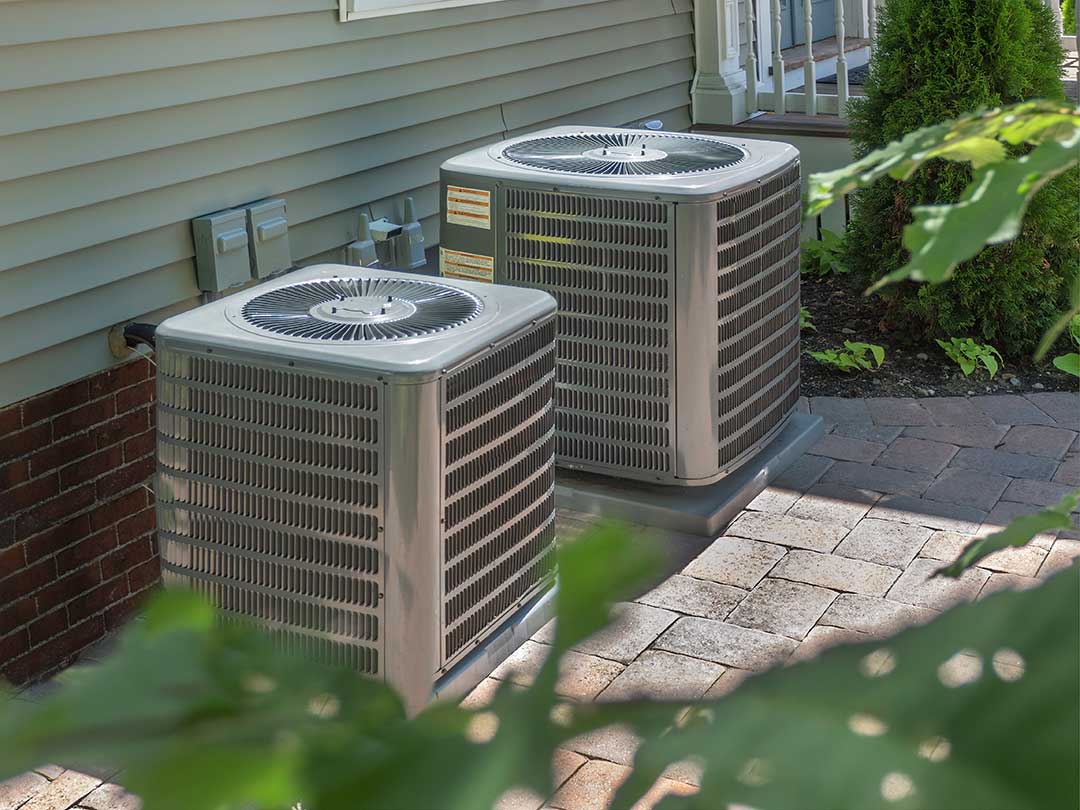
Neither system should be judged solely by the number of parts. A central system may have fewer visible components but extensive ductwork. A ductless system may avoid ducts but contain several indoor units that need regular attention.
Which system costs more to install?
Installation cost varies widely according to the home’s layout, electrical capacity, access, insulation, equipment size, and whether heating is included. Central air can be relatively straightforward when ductwork and electrical service are already suitable. It can become far more involved when ducts must be added or substantially altered.
Ductless installation may avoid major interior demolition, but each indoor unit requires placement, refrigerant connections, condensate management, and electrical planning. Multi-zone systems generally involve more design decisions than a single-room installation.
The most useful comparison is not simply the equipment price. It should include duct modifications, electrical work, wall repairs, drainage, controls, expected maintenance, and the cost of operating the system over time.
How should a household choose?
Central air is often the better match when:
- The home already has well-designed forced-air ducts
- Whole-house cooling is the main goal
- A discreet indoor appearance is preferred
- One thermostat and uniform operation are desirable
A ductless mini-split may be better suited when:
- The home lacks ductwork
- Certain rooms need different temperatures
- An addition or finished space needs independent cooling
- Avoiding extensive wall and ceiling work is a priority
- Heating and cooling are both needed from the same equipment
Before choosing, consider the home’s insulation, window exposure, room-by-room comfort problems, existing heating system, electrical service, and likely occupancy patterns. The right system is the one that matches the building rather than simply offering the highest advertised efficiency.
What should be checked before installation?
A proper comparison should account for room-by-room heating and cooling requirements, not just square footage. Oversized equipment can cycle too frequently, provide weaker humidity control, and create uneven temperatures.
For central air, inspect duct leakage, insulation, return-air capacity, and supply balance. For ductless equipment, consider indoor-unit locations, condensate drainage, outdoor-unit clearance, winter operation, and how closed doors will affect comfort.
Any installation involving refrigerant circuits, electrical connections, structural penetrations, or combustion equipment should meet applicable safety and building requirements. These details affect reliability as much as the equipment label.