

 See My Latest Article on HelloNation
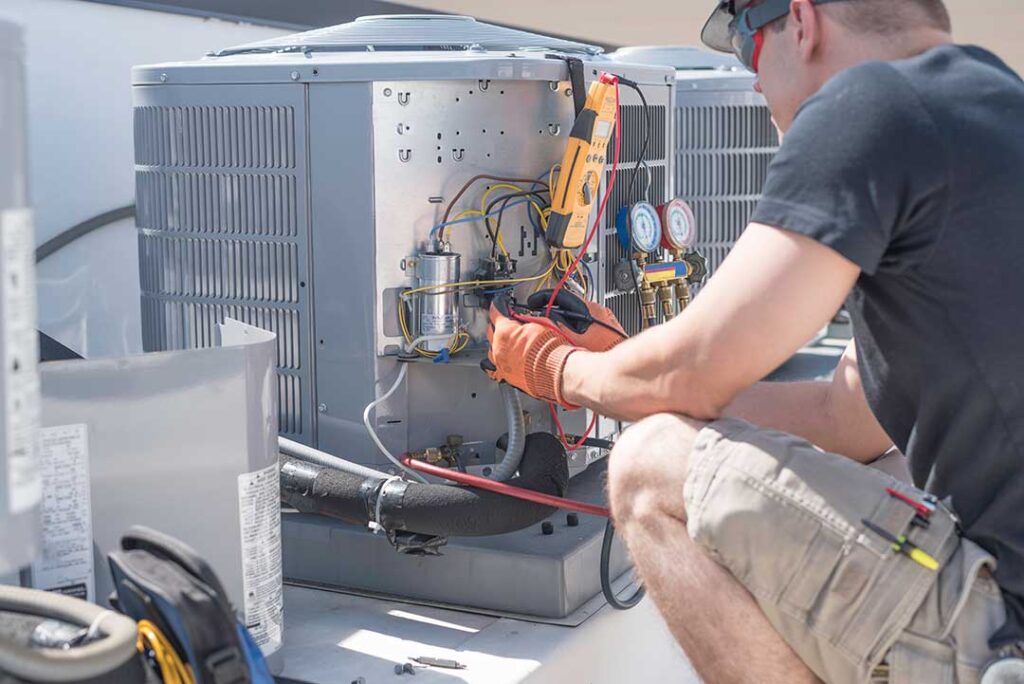
A malfunctioning air conditioner rarely fails without warning. Changes in airflow, sound, moisture, temperature, or electrical behavior often appear before a complete breakdown. Recognizing those signs early can help prevent added damage, uncomfortable indoor conditions, and avoidable energy waste.
How can you tell if an air conditioner needs repair?
The clearest signs are poor cooling, unusual noises, repeated cycling, water around the equipment, weak airflow, unpleasant odors, and unexplained increases in electricity use. A single symptom may have a simple cause, but persistent or combined symptoms usually deserve closer attention.
In Albany, summer conditions can place steady demands on residential cooling systems. A typical system may run for long periods during hot, humid weather, especially in older homes with less insulation, upper-floor bedrooms, or air leaks around windows and doors. Longer operating time is not automatically a failure, but the system should still produce noticeably cooler air and maintain a reasonably consistent indoor temperature.
Why is the air conditioner running but the house is still warm?
An air conditioner that runs continuously without reaching the thermostat setting may have restricted airflow, a dirty outdoor coil, low refrigerant, a failing compressor, or a problem with the thermostat or electrical controls.
Start with the simple possibilities:
- Check whether the filter is heavily coated with dust.
- Make sure supply vents are open and not blocked by furniture.
- Confirm that the outdoor unit has clear space around it.
- Check whether the thermostat is set to cooling and has working batteries, if applicable.
- Look for closed dampers or accidentally blocked return grilles.
If these conditions are normal and the home remains warm, the system may not be removing enough heat. Low refrigerant is one possibility, but it is not the only one. Refrigerant does not normally disappear through ordinary use, so repeated recharging suggests that a leak or another underlying issue needs to be identified.
What does weak airflow mean?
Weak airflow from one vent may result from a closed register, a disconnected branch duct, or a local obstruction. Weak airflow throughout the home is more likely to involve a clogged filter, a failing blower motor, duct leakage, an iced coil, or a return-air restriction.
Poor airflow can also cause the evaporator coil to become too cold and freeze. Ice on the indoor coil or refrigerant lines may look like proof that the system needs more refrigerant, but adding refrigerant without finding the cause may not solve the problem. A dirty filter, inadequate airflow, or mechanical fault can produce similar icing.
Do not scrape ice from the coil with a sharp object. Turn off cooling and allow the ice to melt naturally. Water from melting ice can overflow into ceilings, walls, or flooring if the drain pan or condensate line cannot handle it.
Which air conditioner noises are warning signs?
Normal systems produce a steady fan sound and a brief click when starting or stopping. New, harsh, or recurring sounds are different.
Common warning noises include:
- Grinding, which may point to worn motor bearings.
- Screeching or squealing, which can indicate belt or motor problems.
- Rattling, which may come from loose panels, debris, or a failing fan assembly.
- Banging, which can indicate a loose internal component.
- Hissing, which may be associated with escaping refrigerant or a pressure problem.
- Repeated clicking without the system starting, which can involve electrical controls or the compressor.
Turn off the system if it produces loud grinding, burning sounds, or repeated hard-starting noises. Continuing to operate equipment under those conditions can increase damage, particularly if a motor or compressor is struggling.
Why is water leaking around the indoor unit?
Air conditioners naturally create condensation as they remove moisture from indoor air. That water should drain through a condensate line into an appropriate drain or pump system. Pooled water, dripping from the cabinet, stained ceilings, or damp insulation indicates that the drainage process is not working correctly.
Possible causes include:
- A clogged condensate drain.
- A cracked or rusted drain pan.
- A failed condensate pump.
- A frozen evaporator coil thawing too quickly.
- A system that is not level.
- Excessive indoor humidity or restricted airflow.
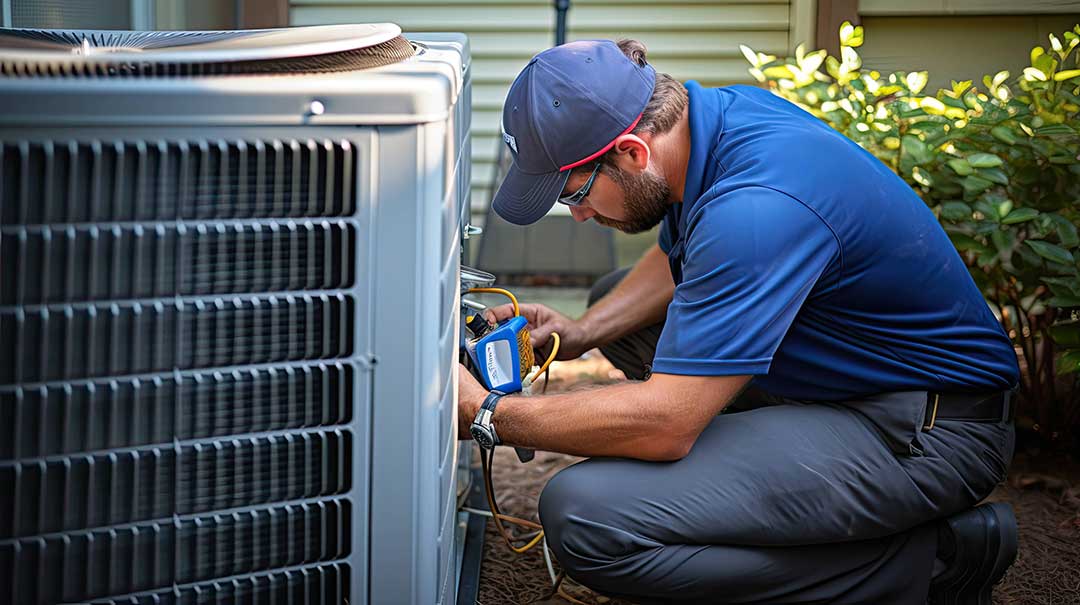
A small amount of water near a drain connection may be easy to overlook, but repeated moisture can damage drywall, wood, flooring, and insulation. In multi-level homes, a leak near an attic air handler can be especially troublesome because water may appear on a ceiling below the equipment rather than beside the unit itself.
Are strange smells from an air conditioner a repair issue?
A brief dusty smell at the start of the cooling season can occur when dust accumulated during the off-season is disturbed. Persistent or strong odors are different.
A musty smell may indicate moisture in the drain pan, ductwork, insulation, or evaporator area. A burning or electrical odor can indicate overheated wiring, a failing motor, or another hazard. A sharp chemical-like smell may come from refrigerant, oil, cleaning products, or materials near the equipment.
If an odor resembles burning plastic or electrical insulation, shut off the system and avoid operating it until the source is checked. Smoke, sparks, or signs of melting require immediate attention and may also warrant shutting off power at the appropriate electrical disconnect if it can be done safely.
What does frequent cycling mean?
Short cycling occurs when the air conditioner starts, runs briefly, shuts off, and then starts again soon afterward. This pattern can prevent proper humidity removal and place extra stress on the compressor.
Possible causes include an oversized system, a dirty filter, poor airflow, a frozen coil, a thermostat problem, low refrigerant, or an electrical control fault. A system that cycles more frequently during mild weather may be responding to a small cooling load, but repeated short runs during hot weather are not generally normal.
Short cycling is particularly noticeable in homes with uneven temperatures. Rooms may feel warm or clammy even though the thermostat reaches its setting briefly.
Why has the electric bill increased unexpectedly?
A sudden increase in cooling costs can reflect hotter weather, longer occupancy, changes in thermostat settings, or increased electricity rates. It can also signal that the air conditioner is losing efficiency.
Dirty coils, restricted filters, low refrigerant, duct leakage, failing capacitors, and aging motors can all make the system run longer. Compare the system’s operating behavior with previous summers rather than relying on the bill alone. If runtime has increased while indoor comfort has declined, the equipment may be working harder without delivering the same cooling.
Which air conditioner problems require immediate action?
Some conditions should not be treated as routine troubleshooting:
- Burning smells, smoke, sparks, or melted wiring.
- Loud electrical buzzing or repeated breaker trips.
- Water near electrical components.
- A refrigerant leak suspected from hissing, oily residue, or persistent performance loss.
- A frozen coil that returns after the system is thawed.
- A compressor that repeatedly attempts to start but cannot.
Residents can safely check filters, thermostat settings, visible airflow obstructions, and outdoor-unit clearance. Refrigerant handling, electrical repairs, compressor diagnosis, and sealed-system work require specialized equipment and safety procedures. Refrigerant should not simply be released or repeatedly added without investigating why the system is losing performance.
How can homeowners reduce avoidable air conditioner problems?
Replace or clean the filter according to its condition and the equipment instructions, keep return grilles unobstructed, and remove leaves or grass from around the outdoor unit without bending the coil fins. Before the cooling season, inspect visible drain piping and look for staining or corrosion.
Older homes may also have uneven ductwork, leaky window units, attic heat gain, or rooms that receive strong afternoon sun. These conditions can make an air conditioner appear defective even when the equipment is operating normally. Diagnosing the system together with the building’s airflow and insulation conditions gives a more accurate picture of what needs attention.