

 See My Latest Article on HelloNation
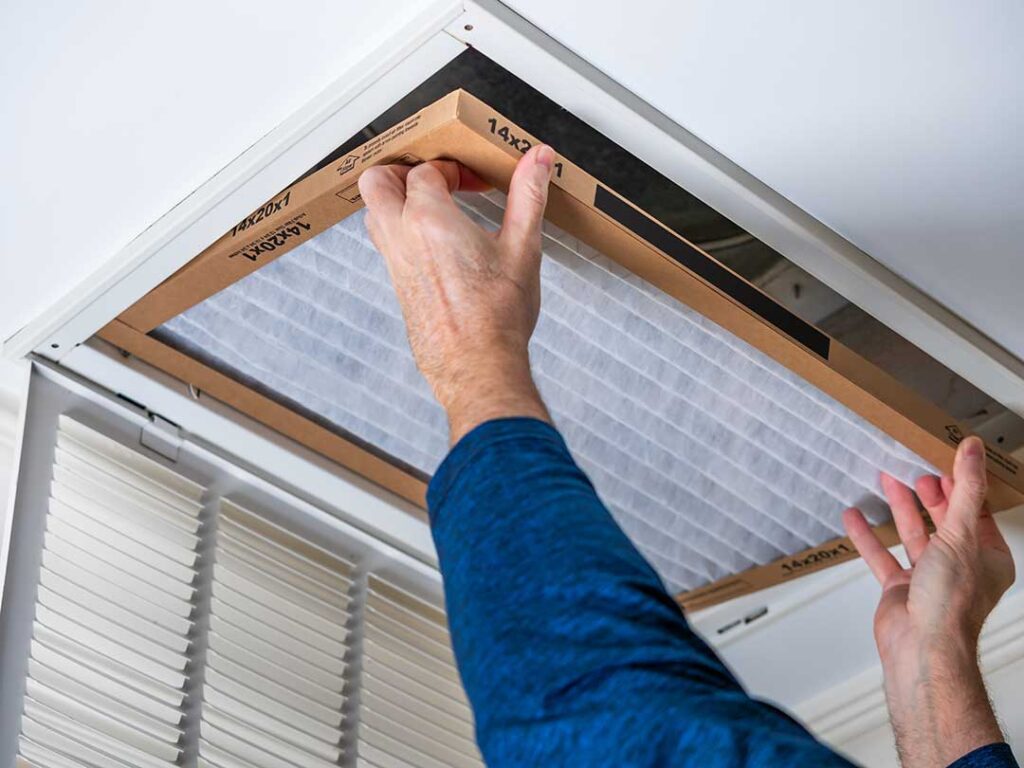
Changing an HVAC filter is usually a simple maintenance task, but the correct schedule depends on the filter, the equipment, and the household. For many homes, checking the filter monthly and replacing it every one to three months is a reasonable starting point.
Homes with pets, smokers, allergy concerns, remodeling dust, or heavy heating and cooling use may need more frequent changes. A filter that looks gray, matted, or visibly loaded with dust should be replaced even if the calendar says it has more time left.
How often should a standard HVAC filter be changed?
A typical one-inch disposable filter should generally be replaced every one to three months. Checking it once each month is more reliable than following a fixed replacement date because indoor conditions vary.
A practical schedule looks like this:
- Every month: Check the filter and replace it if it is visibly dirty.
- Every two to three months: Common replacement range for a lightly occupied home without pets.
- Every one to two months: Often appropriate for homes with pets, children, frequent visitors, or allergy concerns.
- Monthly or more often: May be necessary during periods of heavy furnace or air-conditioner use, home renovation, wildfire smoke, or unusually dusty conditions.
A thin filter may load with dust faster than a deeper filter, while a larger media filter may last longer. The replacement interval printed on the package is only a guideline. Actual loading depends on airflow, filter size, indoor activity, and how often the system runs.
Why does Albany’s climate affect filter life?
Albany, NY experiences cold winters, warm and humid summers, and substantial seasonal changes. That means many homes use forced-air heating for long stretches and air conditioning during the warmer months. More equipment runtime means more air passes through the filter.
Winter can bring additional indoor dust from dry air, tracked-in grit, clothing fibers, and frequent operation of the furnace. Summer humidity may also increase air-conditioner use, especially during stretches of hot weather. Homes near active construction, roads, wooded areas, or open fields may collect airborne particles at different rates than homes in quieter surroundings.
Older houses can have another variable: gaps around duct connections, return grilles, or filter racks may allow unfiltered air to enter the system. If a filter becomes dirty unusually quickly, the issue may not be the filter itself. Air leakage, building dust, or an improperly fitted filter could be contributing.
What signs indicate that a filter needs to be replaced?
The clearest sign is visible buildup. Hold the filter under a light or examine the surface near the return-air side. If the filter material is covered with dust, appears matted, or no longer looks evenly porous, replacement is appropriate.
Other possible signs include:
- Weaker airflow from supply registers
- Rooms that take longer to heat or cool
- More dust collecting on furniture
- A musty or dusty odor when the system starts
- Longer or more frequent heating and cooling cycles
- Unusual whistling around the filter slot
- A filter that is bent, damp, or visibly damaged
These symptoms do not always mean the filter is the only problem. Blocked registers, closed dampers, duct leakage, a dirty indoor coil, or equipment trouble can create similar conditions. A filter is an easy first check, but persistent airflow or comfort problems deserve closer attention.
Does a higher-rated filter need to be changed more often?
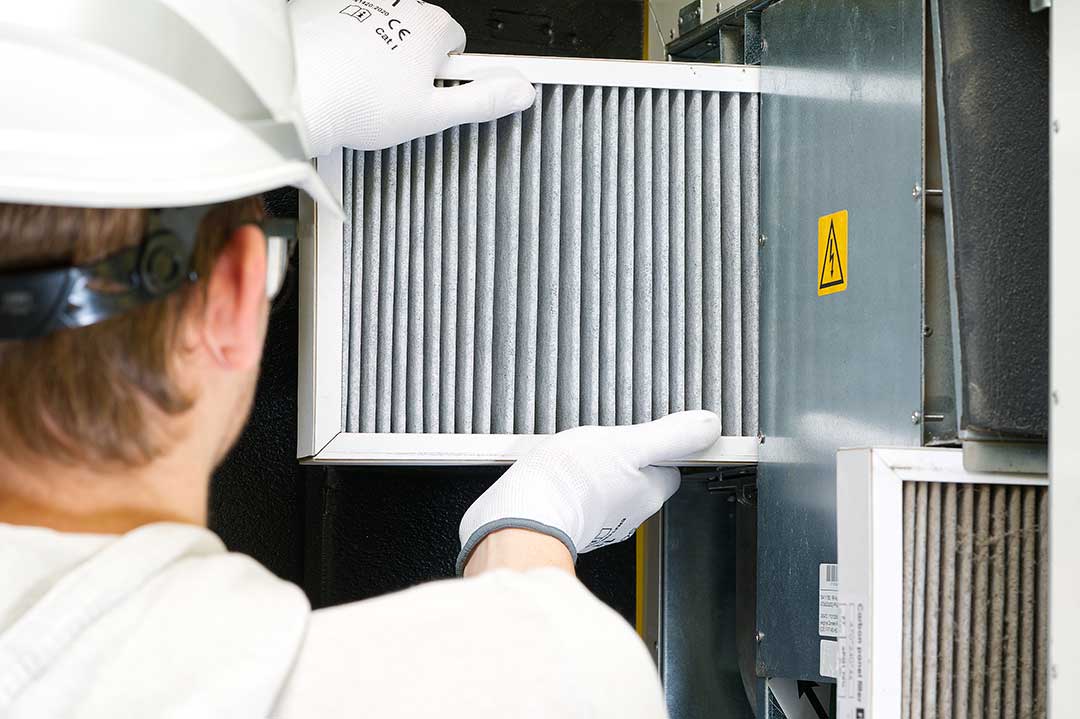
Not necessarily, but higher-efficiency filters can become restrictive sooner if they are too small, too dense, or left in place too long. A filter’s MERV rating describes its ability to capture certain particles; it does not guarantee that the filter is appropriate for every HVAC system.
The equipment must be able to move enough air through the filter. Installing a very restrictive filter in a system that was not designed for it may reduce airflow, increase operating strain, and interfere with heating or cooling performance.
Before changing to a higher-rated filter, check the HVAC equipment instructions or the information provided by the system manufacturer. The filter should fit securely without bending, collapsing, or leaving large gaps around the edges.
For many residential systems, a properly sized mid- to higher-efficiency filter can provide useful particle reduction. The best choice is one that balances filtration with the airflow requirements of the equipment.
How do pets, allergies, and household activity change the schedule?
Pet hair and dander can load a filter quickly, especially in homes where animals spend time near return grilles. Shedding may increase seasonally, but the filter should be judged by its condition rather than by a specific month.
People with allergies or asthma may prefer more frequent filter checks because a loaded filter can allow dust to accumulate around the return system and reduce overall airflow. A filter is only one part of indoor air quality, however. It does not remove every pollutant, and it cannot substitute for controlling moisture, cleaning dust, or addressing mold growth.
Home projects also matter. Sanding drywall, cutting wood, replacing flooring, and disturbing old insulation can produce large amounts of airborne dust. During renovation, the HVAC system should be protected from unnecessary dust whenever possible. After dusty work, inspect the filter rather than waiting for the normal replacement interval.
Smoking, candles, fireplaces, and frequent cooking can also add particles to indoor air. These activities may shorten filter life, particularly when ventilation is limited.
How should an HVAC filter be replaced?
First, turn off the system if the filter is located inside or immediately beside the equipment. Remove the old filter and note the size printed on its frame. Filters are not interchangeable based on appearance alone; width, height, and thickness must match the equipment.
Look for the airflow arrow on the replacement filter. The arrow should point toward the furnace, air handler, or indoor fan—not toward the room. Installing the filter backward can reduce its effectiveness and may affect airflow.
The filter should slide into place without being forced. If it rattles, bows, or leaves visible openings around the frame, it may be the wrong size or the filter rack may need attention. Write the installation date on the filter frame or set a recurring calendar reminder.
Used disposable filters should not be washed or vacuumed for reuse. Washing can damage the filter material, and vacuuming may remove only surface dust while leaving the filter restricted.
Can changing the filter lower energy use?
A clean, properly fitted filter helps the system move air more easily than a heavily clogged filter. This can support normal airflow and reduce unnecessary strain. However, changing the filter is not a guarantee of lower utility bills, and it cannot correct an undersized system, poor insulation, duct leakage, or equipment that needs repair.
Replacing a filter too frequently is usually less harmful than allowing it to become severely clogged, but unnecessary replacement creates avoidable waste and expense. The most sensible approach is regular inspection followed by replacement when the filter is loaded or when the manufacturer’s interval has been reached.
For homes in Albany, checking the filter at the beginning of the main heating season, during the coldest part of winter, before summer cooling begins, and again during periods of heavy use can help establish a schedule. After a few inspections, the household can usually determine whether monthly, every-other-month, or quarterly replacement is appropriate.